
Home Pet Safety Tips
Pets are more than just animals—they’re family. Ensuring their safety at home is crucial for their well-being and your peace of mind. From preventing accidents to creating a pet-friendly environment, these tips will help keep your furry friends happy and healthy.
1. Secure Hazardous Items
Many common household items can be dangerous to pets. Cleaning supplies, medications, and small objects can be toxic if ingested. Store these items out of reach, preferably in locked cabinets, to prevent accidental poisoning.
2. Pet-Proof Your Home
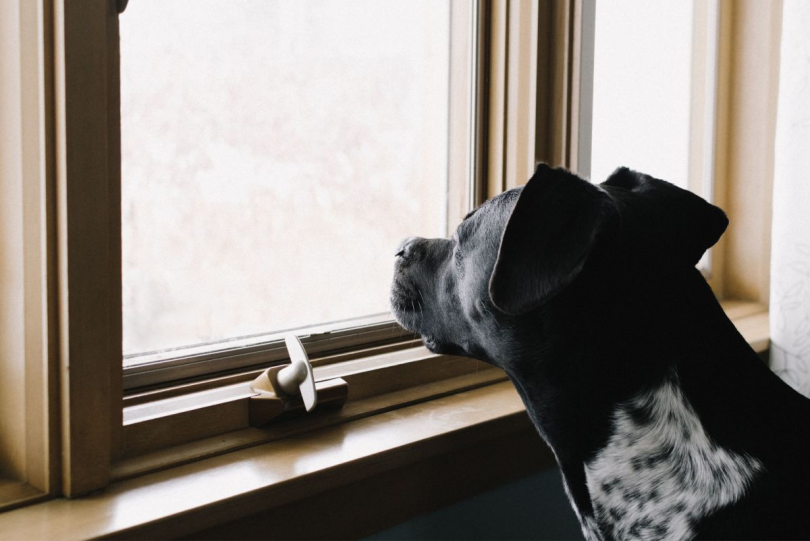
Just like childproofing, pet-proofing is essential. Remove or secure electrical cords, small objects, and fragile items. Ensure windows and balconies have secure screens to prevent falls. Consider baby gates to restrict access to certain areas.
3. Safe Space for Pets
Create a designated safe area for your pets where they can relax without the risk of injury. This can include a cozy bed, water, and toys. A safe space reduces stress and prevents accidents during busy household activities.
4. Monitor Temperature
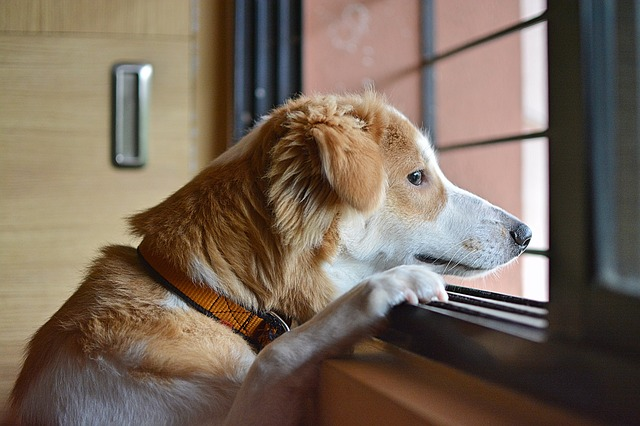
Pets are sensitive to extreme temperatures. Never leave them in a hot car or a room without ventilation. During winter, provide warm bedding, and in summer, ensure they have cool, shaded areas and plenty of water.
5. Keep Toxic Plants Out of Reach
Many household plants like lilies, poinsettias, and philodendrons can be toxic to pets. Research the plants in your home and remove or place toxic ones out of reach. Consider pet-safe alternatives like spider plants or bamboo.
6. Be Careful with Food
Human foods like chocolate, grapes, onions, and alcohol can be dangerous for pets. Store food securely and educate family members and guests about what is safe to feed them. Avoid leaving plates unattended.
7. Regular Checkups and Vaccinations
A healthy pet is a safe pet. Regular veterinary visits and up-to-date vaccinations can prevent illness and ensure your pet remains active and safe. Discuss preventive care, including flea, tick, and heartworm protection, with your vet.
8. Emergency Preparedness
Prepare for emergencies by keeping a first-aid kit for your pet and knowing basic first-aid procedures. Have important contacts, like your vet and local animal emergency clinic, easily accessible.
9. Supervise Interactions
Always supervise interactions between pets and young children or strangers. Even friendly pets can react unpredictably in certain situations. Teaching children how to approach and handle pets safely is equally important.
10. Identification and Microchipping
Ensure your pets have identification tags and consider microchipping. In case they escape or get lost, these measures dramatically increase the chances of a safe return.
Conclusion
Keeping your pets safe at home is a responsibility that ensures their happiness, health, and longevity. By following simple precautions—such as securing hazardous items, pet-proofing your home, monitoring their environment, and staying prepared for emergencies—you create a safe and loving space for your furry friends. Remember, a little effort today can prevent accidents tomorrow, allowing your pets to thrive and enjoy a secure, comfortable home.