
Cat Nutrition Guide Cats are obligate carnivores, meaning their diet must be primarily meat-based. Proper nutrition is essential for maintaining their health, energy levels, and longevity. This guide covers everything you need to know about feeding your cat.
Understanding Cat Nutritional Needs
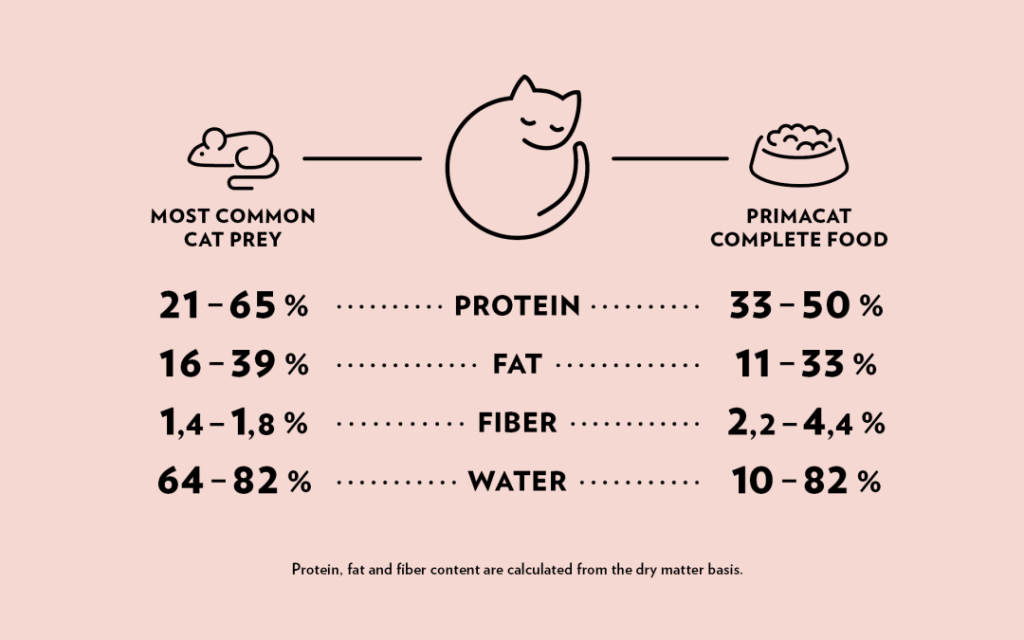
Cats require a balance of proteins, fats, vitamins, and minerals. Unlike dogs, cats cannot efficiently process carbohydrates, so their diet should focus on high-quality animal protein.
Essential Nutrients for Cats
- Protein: Supports growth, muscle maintenance, and overall health. Sources include chicken, turkey, fish, and beef.
- Fat: Provides energy and promotes healthy skin, coat, and organs. Omega-3 and omega-6 fatty acids are particularly beneficial.
- Taurine: An essential amino acid for heart health, vision, and reproduction, naturally found in meat.
- Vitamins & Minerals: Important for immune function, bone health, and metabolism. Cats need vitamins like A, D, and E.
Wet Food vs. Dry Food
Wet Food Benefits
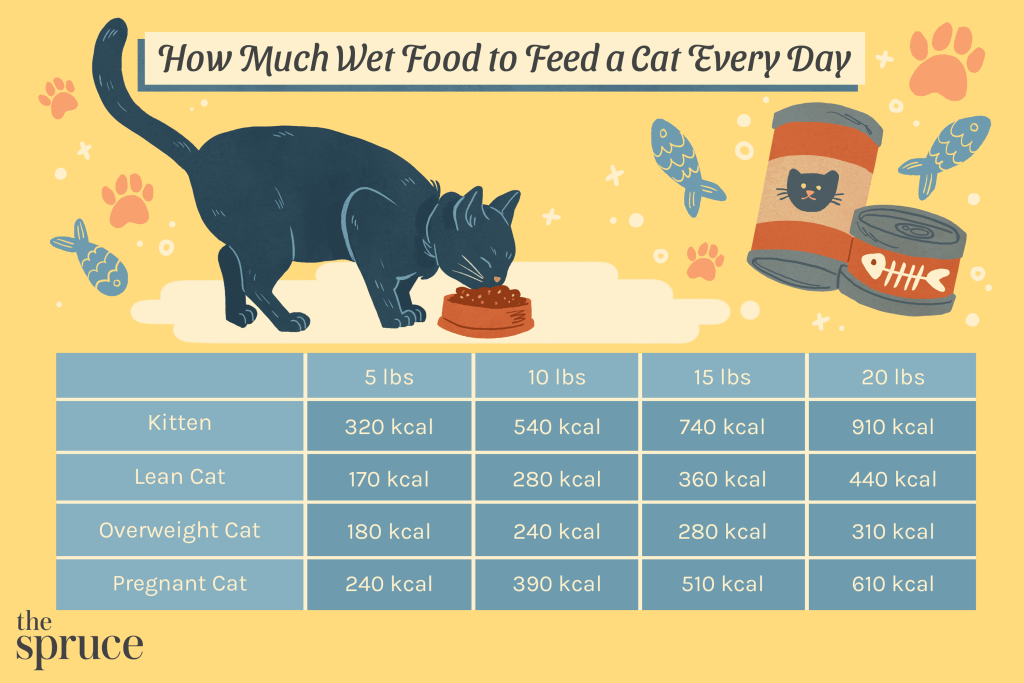
- High moisture content helps prevent dehydration and urinary tract problems.
- Often more palatable for picky cats.
Dry Food Benefits
- Convenient and helps reduce plaque buildup for dental health.
- Make sure your cat drinks plenty of water to stay hydrated.
Homemade Cat Food Tips
Preparing homemade food is an option, but it must be balanced. Include lean meats, minimal safe vegetables, and taurine supplementation. Avoid onions, garlic, chocolate, grapes, and anything toxic to cats.
Feeding Schedule
- Adult Cats: 2 meals per day.
- Kittens: 3–4 meals per day to support growth.
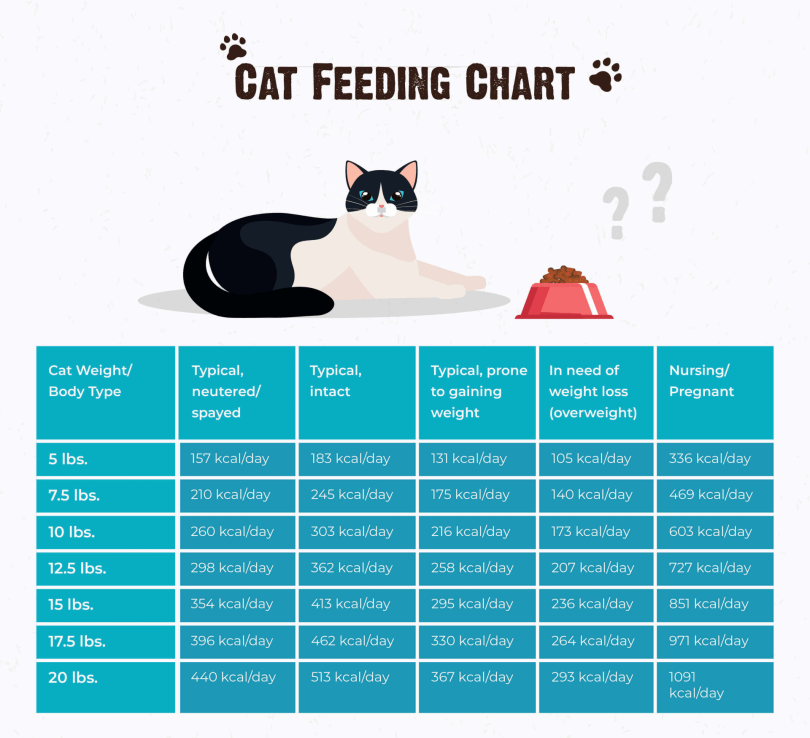
- Monitor portions to prevent obesity, which is common in domestic cats.
Hydration Matters
Cats often do not drink enough water naturally. Encourage hydration by:
- Serving wet food
- Providing fresh water bowls
- Using pet fountains
Hydration is essential for kidney and urinary health.
Special Dietary Needs
Some cats may require specific diets due to health issues:
- Weight Management: Low-calorie, high-protein diets.
- Urinary Health: Diets to maintain pH balance and prevent crystals.
- Food Allergies: Limited ingredient or hypoallergenic diets.
Signs of Poor Nutrition
Watch for signs that your cat may not be getting proper nutrition:
- Dull or patchy fur
- Weight loss or gain
- Low energy or lethargy
- Digestive issues like vomiting or diarrhea
Conclusion
A well-balanced diet is the cornerstone of your cat’s health. Providing high-quality proteins, essential nutrients, and fresh water ensures a long, happy, and healthy life for your feline companion. Always consult a veterinarian before making major dietary changes.