
Why Pet Supplements Matter
Pet Supplements for Health
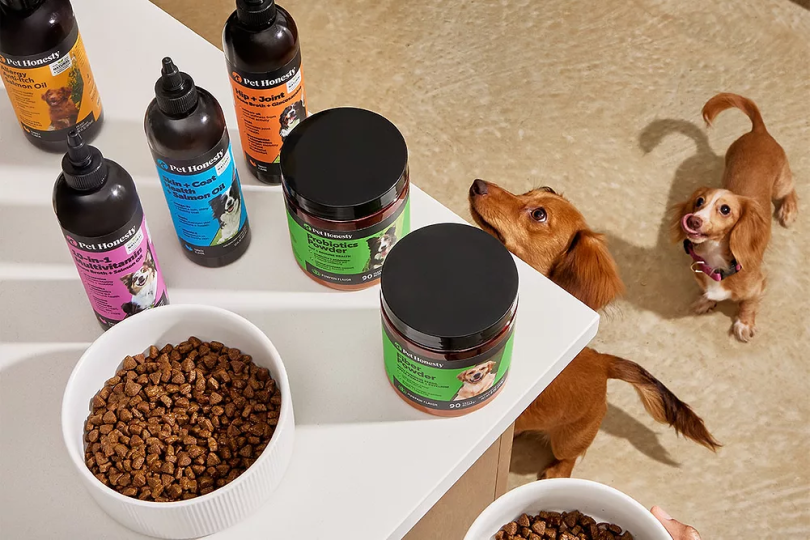
Pets, like humans, require a balanced diet to stay healthy. While high-quality pet food provides essential nutrients, some pets may benefit from additional supplements to address specific health concerns. Supplements can improve joint health, coat quality, digestion, immunity, and overall vitality.
Types of Pet Supplements

1. Vitamins and Minerals
Vitamins and minerals are essential for your pet’s growth, immune system, and overall wellness. Common supplements include:
- Vitamin A, D, E: Support vision, skin health, and immunity.
- Calcium and Phosphorus: Important for strong bones and teeth.
- B-Complex Vitamins: Promote energy and metabolism.
2. Omega-3 and Omega-6 Fatty Acids
These essential fatty acids are crucial for:
- Healthy skin and shiny coat
- Reducing inflammation
- Supporting heart and brain health
Sources include fish oil, flaxseed oil, and specific commercial pet supplements.
3. Probiotics
Probiotics are live bacteria that improve gut health by balancing the digestive system. Benefits include:
- Enhanced digestion
- Reduced diarrhea and gas
- Boosted immune system
Probiotics come in capsules, powders, and even in some specially formulated pet foods.
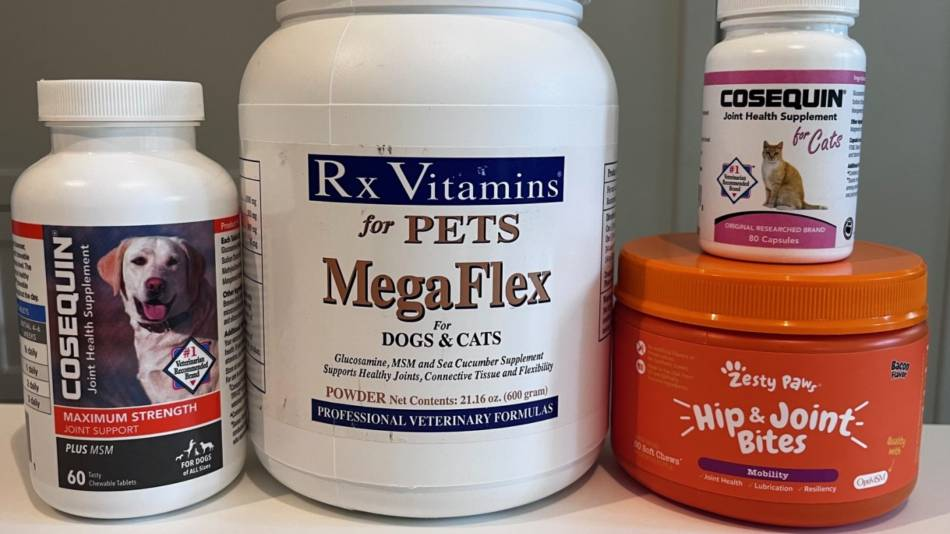
4. Joint Supplements
Especially important for older pets or breeds prone to joint issues, these supplements often contain:
- Glucosamine and Chondroitin: Support cartilage health
- MSM (Methylsulfonylmethane): Reduces inflammation
- Hyaluronic Acid: Improves joint lubrication
5. Antioxidants
Antioxidants help fight free radicals and support overall health, particularly in aging pets. Common antioxidants include:
- Vitamin C and E
- Selenium
- Green tea extract
How to Choose the Right Supplement
- Consult Your Vet: Always discuss supplements with your veterinarian before adding them to your pet’s diet.
- Check Ingredients: Look for high-quality, natural ingredients without unnecessary fillers.
- Consider Your Pet’s Needs: Puppies, senior pets, and pets with specific health issues have different requirements.
Safe Usage Tips
- Follow recommended dosages carefully; too much of a supplement can harm your pet.
- Monitor your pet for any side effects like upset stomach, lethargy, or allergic reactions.
- Introduce supplements gradually to see how your pet responds.
Conclusion
Pet supplements can be a great addition to a balanced diet, helping to improve overall health, longevity, and quality of life. However, they should complement, not replace, a nutritious diet and regular veterinary care.