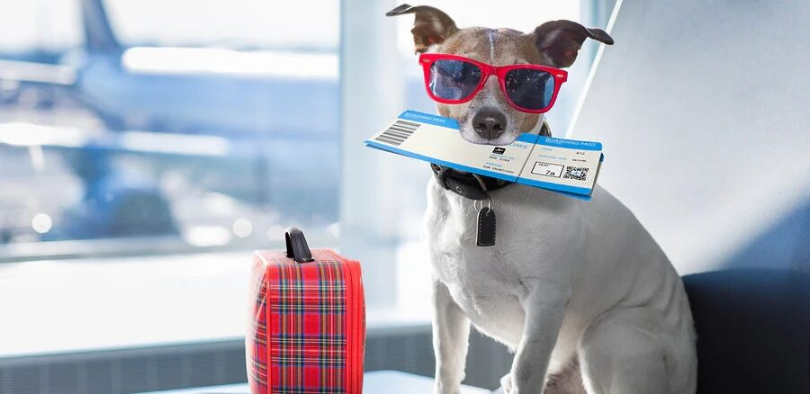

Pet Travel Safety Tips Traveling with pets can be an exciting experience, but it also comes with unique responsibilities. Whether you’re driving across the country or taking a flight, ensuring your pet’s safety and comfort should be a top priority. Here are essential tips to help make your pet’s journey smooth and stress-free.
1. Plan Ahead

Before you travel, research your destination’s pet policies, local regulations, and any restrictions. Ensure your pet’s vaccinations are up to date, and carry their medical records with you. Booking pet-friendly accommodations in advance can save a lot of stress during your trip.
2. Use the Right Travel Carrier
A secure, comfortable carrier is essential for your pet’s safety. For small pets, a soft-sided carrier works well, while larger dogs may require a sturdy crate. Ensure the carrier is well-ventilated, labeled with your contact information, and large enough for your pet to stand, turn, and lie down comfortably.
3. Prepare for Car Travel
If you’re traveling by car:
- Secure your pet with a harness or a crate to prevent injuries in case of sudden stops.
- Take regular breaks every 2–3 hours for your pet to stretch, hydrate, and relieve themselves.
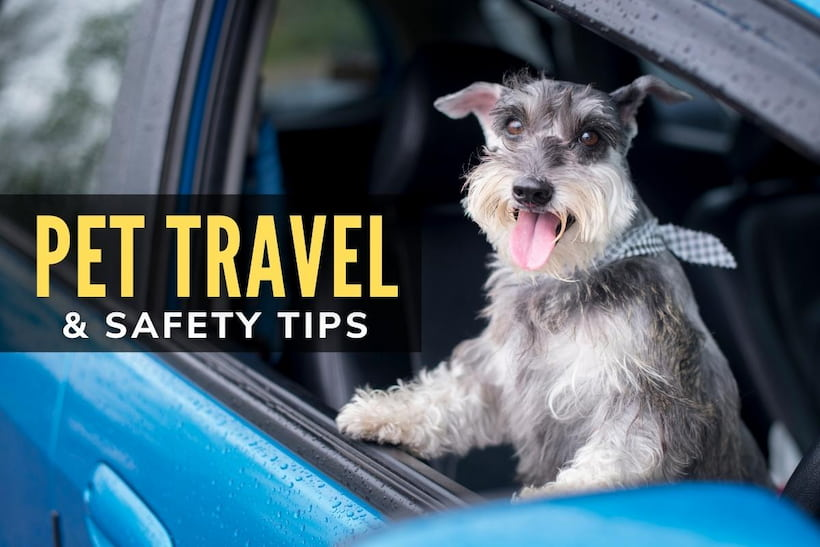
- Never let your pet ride with their head out of the window—this can cause injuries from debris.
- Keep the car temperature comfortable; never leave your pet alone in a parked car.
4. Air Travel Safety
Flying with pets requires careful planning:
- Check airline regulations for pet travel. Some airlines allow pets in the cabin, while others require cargo travel.
- Use an airline-approved carrier that fits under the seat if flying in the cabin.
- Acclimate your pet to the carrier before the flight to reduce anxiety.
- Avoid sedating your pet unless specifically advised by a veterinarian.
5. Pack a Pet Travel Kit
A travel kit can help your pet stay comfortable and safe:
- Food and water bowls
- Enough food for the trip
- Medication and first-aid supplies
- Waste bags, litter, or pads
- Familiar toys or blankets for comfort
6. Keep Identification Updated
Ensure your pet wears a collar with an ID tag including your phone number. Microchipping your pet adds an extra layer of security, especially for long-distance travel.
7. Maintain Routine
Pets thrive on routine. Try to stick to their regular feeding and walking schedule to reduce stress. Offering familiar toys, blankets, or treats can also help your pet feel secure during travel.
8. Monitor Health and Stress
Watch your pet for signs of anxiety, motion sickness, or distress. If your pet shows unusual behavior, consult a veterinarian before continuing the journey.
9. Hydration and Exercise
Keep your pet hydrated, especially during long trips. Provide opportunities for exercise during breaks to reduce stress and avoid restlessness.
10. Emergency Preparedness
Know the location of veterinary clinics along your route and have a plan in case of emergencies. Carry a copy of your pet’s medical records and any required medications.