
Senior Dog Nutrition As dogs age, their nutritional needs change significantly. Senior dogs require a balanced diet that supports joint health, maintains an ideal weight, boosts immunity, and provides energy without overloading their system. Feeding your older dog the right food is essential to ensure they live a long, happy, and healthy life.
Understanding the Nutritional Needs of Senior Dogs
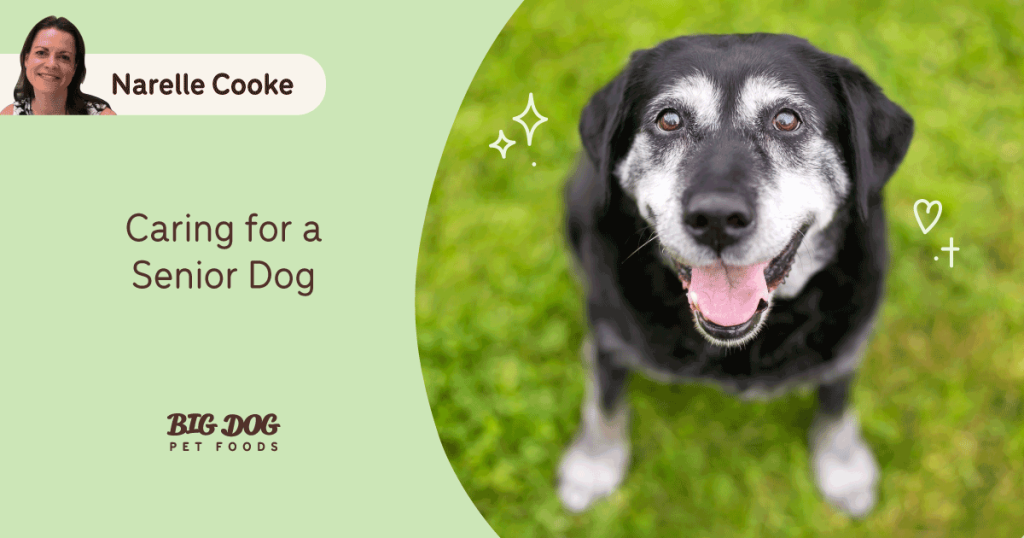
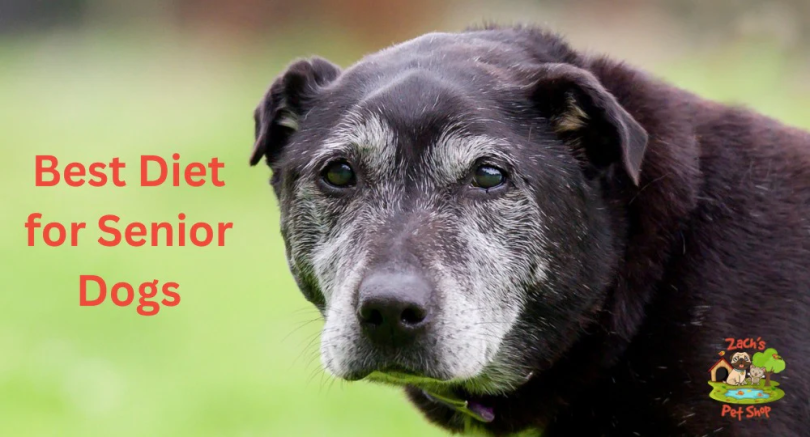
Just like humans, dogs experience changes in metabolism, digestion, and activity levels as they age. Typically, a dog is considered a senior around 7 years of age, although this can vary depending on breed and size. Larger breeds may age faster, while smaller breeds often stay active longer.
Key changes in senior dogs’ nutritional needs include:
- Lower Calorie Requirements: Older dogs are less active, so excess calories can lead to obesity.
- Protein Needs: High-quality protein helps maintain lean muscle mass.
- Fat Balance: Healthy fats support skin, coat, and brain health without adding unnecessary calories.
- Digestive Support: Fiber-rich diets aid digestion, which can slow down with age.
- Joint and Bone Health: Nutrients like glucosamine, chondroitin, and omega-3 fatty acids help support joint function.
Choosing the Right Senior Dog Food
When selecting a diet for your senior dog, consider these factors:
1. High-Quality Protein
Protein is crucial for maintaining muscle mass. Opt for dog food with easily digestible protein sources such as chicken, turkey, fish, or lamb.
2. Moderate Fat Levels
Senior dogs need fat for energy and skin health, but too much can cause weight gain. Look for foods with moderate amounts of healthy fats, including omega-3 and omega-6 fatty acids.
3. Joint Supplements
Ingredients like glucosamine, chondroitin, and fish oil are excellent for maintaining joint health and reducing inflammation associated with arthritis.
4. Digestive Health Ingredients
Fiber from vegetables and grains helps regulate bowel movements. Probiotics can also improve gut health and nutrient absorption.
5. Antioxidants for Immunity
Vitamin E, vitamin C, and other antioxidants help combat age-related cellular damage and strengthen the immune system.
Tips for Feeding Senior Dogs
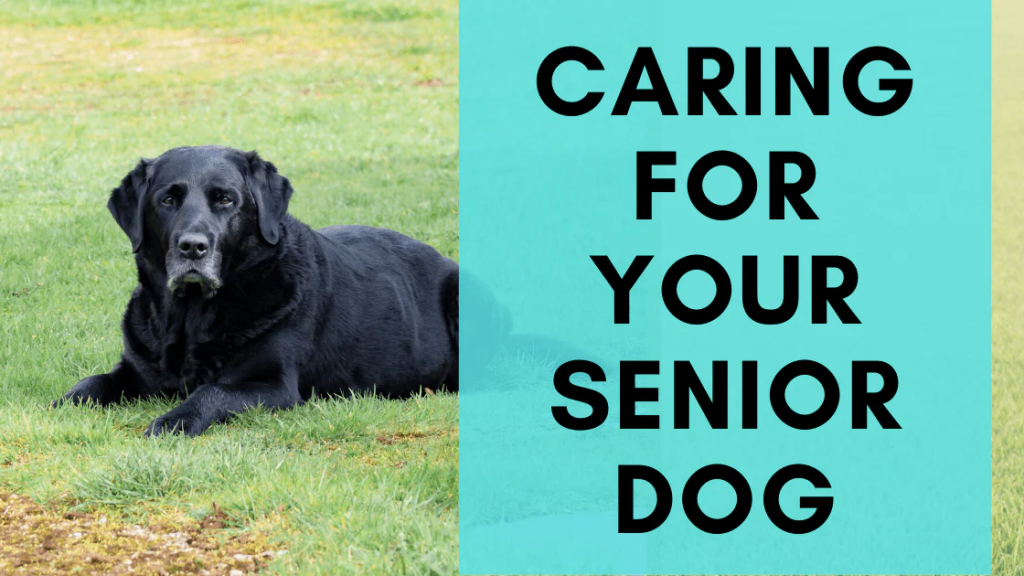
- Adjust Portion Sizes: Monitor weight and reduce food intake if your dog is gaining weight.
- Divide Meals: Smaller, more frequent meals can aid digestion and prevent bloating.
- Fresh Water: Older dogs may be prone to dehydration; always provide clean water.
- Monitor Health: Watch for changes in appetite, weight, or digestion, and consult a vet if needed.
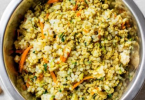
- Consider Homemade Diets: Some owners opt for vet-approved homemade meals tailored to their dog’s specific needs.
Foods to Avoid for Senior Dogs
- High-fat treats or human junk food – can lead to obesity and pancreatitis.
- Excess salt or sugar – affects heart and kidney health.
- Bones that splinter – can cause choking or internal injuries.
Conclusion
Proper nutrition is the cornerstone of a healthy life for senior dogs. By understanding their unique dietary needs and choosing the right food, you can help your aging companion stay active, happy, and healthy for years to come. Regular vet checkups combined with a nutrient-rich diet ensure that your senior dog receives the best care possible.